Cybersecurity
Automotive Cybersecurity: Protecting Connected Vehicles & Systems
A comprehensive guide to threat landscape, compliance requirements, and security implementation
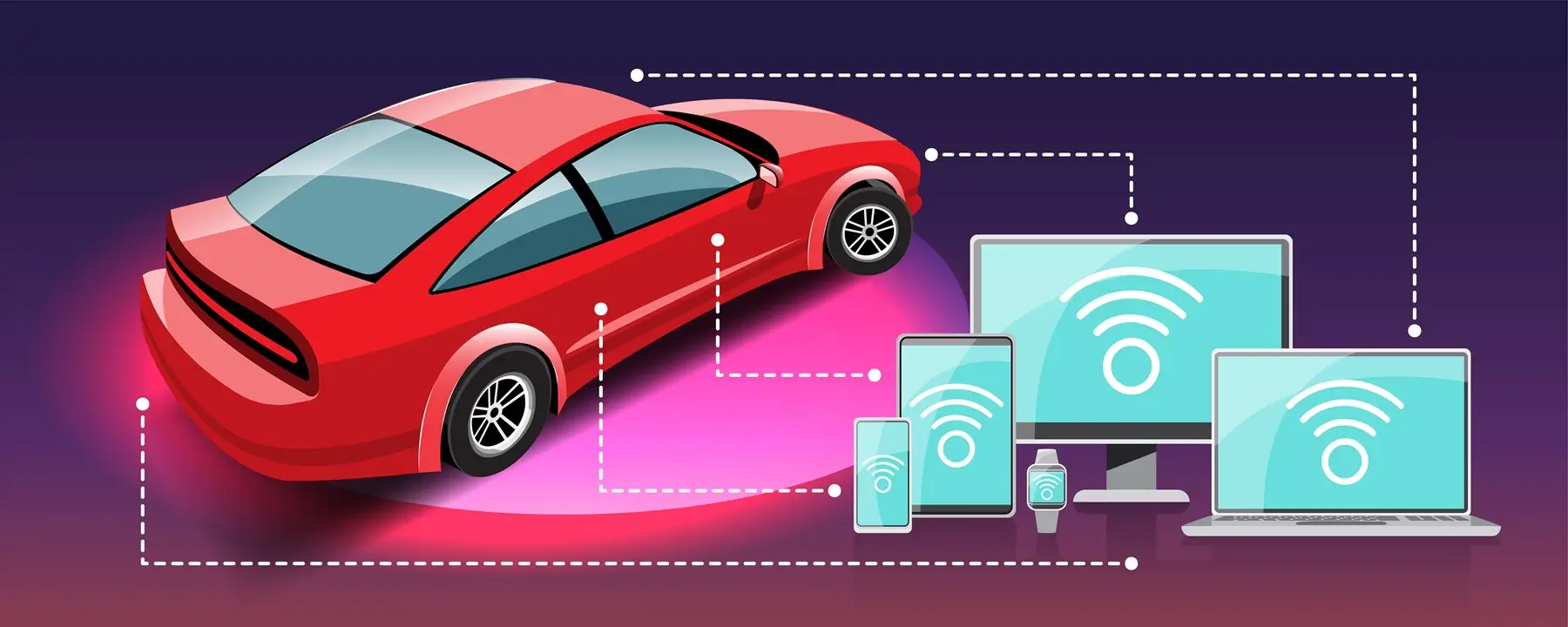
As vehicles become increasingly connected and software-defined, cybersecurity has evolved from an afterthought to a critical engineering discipline. Modern vehicles contain over 100 million lines of code and numerous external interfaces, creating an expanding attack surface that malicious actors actively exploit.
This guide examines the automotive cybersecurity landscape, regulatory requirements, and practical implementation strategies for protecting vehicle systems and customer data.
The Automotive Threat Landscape
Automotive systems face diverse threats ranging from remote vehicle attacks to supply chain compromises. Researchers have demonstrated vulnerabilities in telematics systems, infotainment units, keyless entry, and even safety-critical ECUs. Real-world incidents have included fleet-wide ransomware attacks and vehicle theft through CAN bus exploitation.
The threat landscape continues to evolve as vehicles gain new connectivity features. V2X communication introduces infrastructure attack vectors. Over-the-air updates, if improperly secured, can become distribution mechanisms for malicious code. Cloud-connected backend systems store sensitive customer and vehicle data.
Automotive Cybersecurity Standards
Automotive cybersecurity standards establish requirements for cybersecurity risk management throughout the vehicle lifecycle—from concept through production and post-production phases.
Key requirements include: establishing a cybersecurity management system, conducting threat analysis and risk assessment (TARA), implementing cybersecurity goals in product development, and maintaining cybersecurity monitoring post-production.
Threat Analysis and Risk Assessment (TARA)
TARA forms the foundation of automotive cybersecurity engineering. The process identifies assets requiring protection, analyzes potential threats and attack paths, assesses risk levels, and defines cybersecurity goals and requirements.
Effective TARA requires collaboration between cybersecurity specialists and domain experts who understand vehicle systems and operations. The analysis should consider remote attacks, physical access attacks, and attacks through the supply chain. Results drive security architecture decisions and testing priorities.
Secure Development Lifecycle
Automotive cybersecurity must be integrated throughout the development process, not bolted on at the end. Secure development practices include threat modeling during architecture design, secure coding standards, static and dynamic analysis tools, and security-focused code reviews.
Hardware security modules (HSMs) protect cryptographic keys and enable secure boot. Code signing ensures only authorized software can execute. Defense-in-depth strategies layer multiple security controls so that no single failure compromises the system.
Securing OTA Updates
Over-the-air update systems present both opportunity and risk. Properly implemented, OTA enables rapid security patching. Improperly implemented, it becomes an attack vector for malware distribution at fleet scale.
Secure OTA requires end-to-end encryption of update packages, cryptographic signature verification, secure boot chains that validate software at startup, rollback protection to prevent downgrade attacks, and update authentication to ensure only authorized updates are accepted.
Intrusion Detection and Response
Even with strong preventive controls, organizations must assume some attacks will succeed. Intrusion detection systems monitor vehicle networks for anomalous behavior, identifying potential attacks in progress. Detection capabilities should cover CAN bus traffic, external interfaces, and cloud communications.
Incident response plans define procedures for containing and recovering from security incidents. For connected vehicles, this may include remote disabling of compromised features, forcing software updates, or in severe cases, disabling vehicle connectivity. Post-incident forensics support root cause analysis and system improvements.
Cybersecurity Compliance Checklist
- 1Establish cybersecurity management system with defined roles and responsibilities
- 2Conduct comprehensive threat analysis and risk assessment (TARA)
- 3Define cybersecurity goals and requirements for each identified risk
- 4Implement secure development lifecycle with security gates
- 5Perform penetration testing and vulnerability assessments
- 6Establish post-production cybersecurity monitoring capabilities
- 7Develop and test incident response procedures
- 8Maintain documentation and evidence for regulatory audits
Building a Security-First Culture
Automotive cybersecurity requires more than technical controls—it demands organizational commitment to security throughout the product lifecycle. Leadership must prioritize security investments, development teams must embrace secure practices, and organizations must maintain vigilance post-production.
The regulatory environment continues to evolve, with automotive cybersecurity standards establishing baseline requirements. Organizations that view compliance as the floor rather than the ceiling will be better positioned to protect their products, customers, and brand reputation as the threat landscape evolves.
Tags:cybersecurityconnected vehiclesvehicle securitycompliance